

Ecology and waste recycling
Waste recycling
A newly developed waste recycling process available to us separates organic from inorganic materials at over 1,100 degrees Celsius in the absence of oxygen. Solids such as metals, carbon, and minerals are separated out and can be largely sorted and recycled.
The organic matter is converted into synthesis gas, which consists mainly of H2 (>45%), CO, and CH4. This gas can be used as a substitute for natural gas, as a base for chemical products, or for efuels such as methanol. Furthermore, the H2 can be separated out cost-effectively using a DWS/PSA plant (approx. 600-800 kg per day, depending on the input).
The first series plant is now in operation.
The technology offers recycling of a wide variety of input materials and breaks down long-chain carbon compounds. There are a wide variety of projects, such as recycling GRP/composites such as wind turbine blades, processing scrap tires or production waste from the tire industry (recovery of syngas, carbon black, steel), recycling plastics from sorting or paper industry residues.
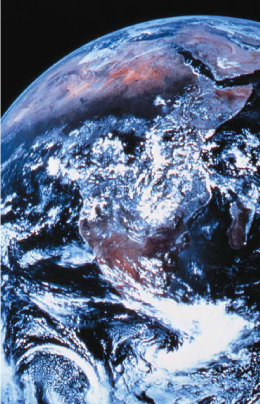
In many cases, however, thermal waste treatment, i.e., waste incineration, is unavoidable. This is particularly true in Africa, where huge mountains of waste in many large cities pose a considerable burden on people and nature. We also offer solutions in this area and, depending on requirements, identify the plant components and their capacity for thermal waste utilization, power generation, and other options such as air conditioning or chemical recycling. Precise planning and selection of suitable companies are also our responsibility.
Ecology and health
A sustainably intact environment is also a prerequisite for our health, i.e., a functioning immune system and an activated cell structure, which can slow down or even reverse the aging process. Many plants growing in their natural environment contain active ingredients that can promote these processes—a fact that opens up immense opportunities and possibilities.